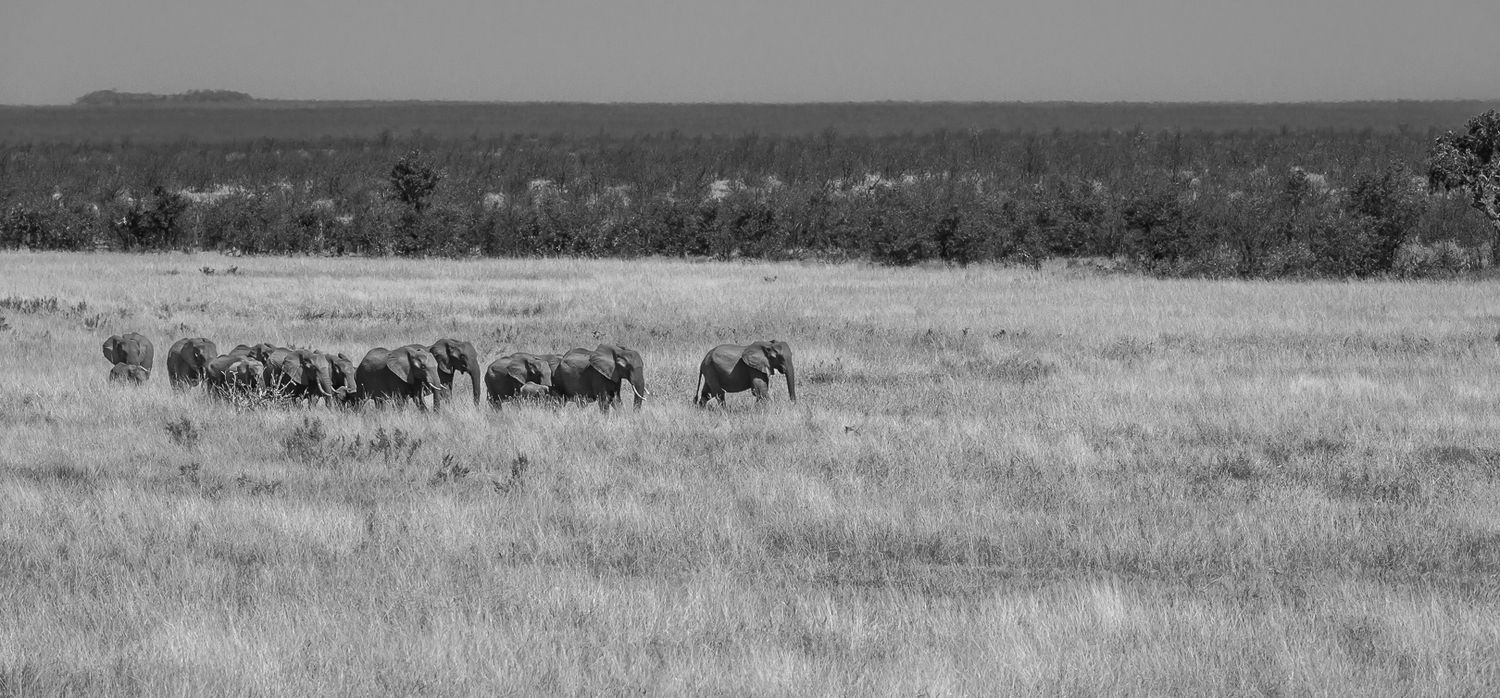
Kruger National Park in South Africa is one of the world’s premier wildlife photography destinations, combining abundant animal life, diverse landscapes, and excellent light conditions to inspire photographers of all levels. Its broad network of roads and waterholes means that Kruger offers both planned compositions and spontaneous wildlife encounters.
Why Kruger Is a Photographic Paradise
Wildlife in Abundance
Kruger’s biomass is staggering — elephants, lions, buffalo, leopards, rhino and countless other mammals are regularly seen along open roads and near waterholes. The density of species means you’re never far from potentially iconic shots, whether it’s a pride of lions in morning light or elephants silhouetted against a fiery sunset.
Iconic Landscapes
Beyond animals, Kruger’s sweeping savannas, riverine forests, and mosaic of habitats provide rich photographic backdrops. Early morning mist along dry riverbeds, golden light across tall grass, and dramatic skies all contribute to dynamic compositions of place as well as wildlife.
Accessible Yet Wild
Kruger’s extensive road network lets photographers explore at their own pace — stopping when the light or animal behaviour beckons. That flexibility can be especially rewarding: the best shots often come when you linger, observe, and anticipate the moment.
Light and Timing: The Photographer’s Clock
Golden Hours
Photography in Kruger revolves around light. The first hours after dawn and the last hours before sunset offer soft, warm glow and long shadows that lend depth and texture to both portraits and landscapes. Wildlife is also more active at cooler times, increasing opportunities for dynamic shots.
Midday and Overcast Conditions
While midday light can be harsh, it’s not without value. High contrast can dramatize action shots — dust clouds, charging herbivores, or playful interactions — if exposure and shutter speed are well controlled. Overcast skies can also provide soft, even light ideal for close-up portraits.
Seasonal Influence
Season matters: the dry winter months concentrate animals around waterholes and thin vegetation improves visibility, while the summer rains bring lush backdrops and vibrant bird life. Each season tells a different photographic story.
What You Can Capture in Kruger
Dynamic Wildlife Scenes
Elephant herds at dawn, lion interactions at dusk, and buffalo crossing watercourses offer rich narrative material. Waterholes are especially productive — animals gather predictably, often creating layered scenes with multiple species.
Birds and Small Subjects
Don’t overlook avian life and smaller fauna. Lilac-breasted rollers in flight, hornbills perched on branches, and other birds make striking subjects, especially when paired with strong light or reflections.
Making the Most of Your Visit
Plan Your Routes
Regions like Skukuza, Satara, Lower Sabie, Olifants, and northern routes each have unique photographic flavours — large predators, river scenes, open plains, or quieter birding zones. Give yourself time to explore different terrains.
Patience and Observation
Great wildlife photos rarely happen by accident — patience, keen observation of animal behaviour, and readiness when the moment arrives are half the art.
Conclusion
For a photographer, Kruger National Park is more than a destination — it’s a canvas of light, life, and endless visual possibilities. Whether you’re seeking dramatic wildlife encounters, sweeping landscapes, subtle natural details, or evocative light, Kruger rewards curiosity, patience, and respect for the wild. Each frame taken here — from the broad savanna to the eyes of a lion — can tell a compelling story of Africa’s untamed heart.